
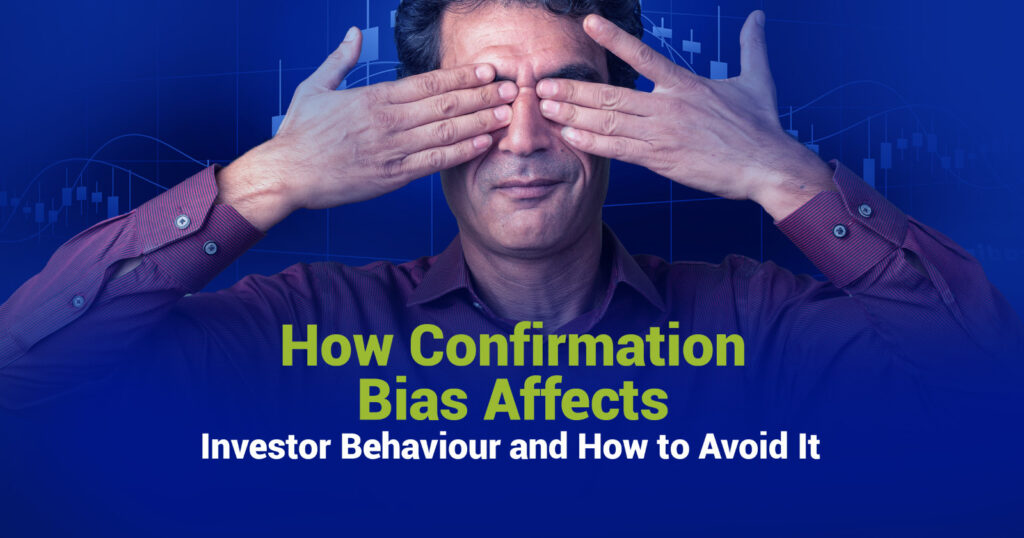
When it comes to investing, logic often takes a back seat to emotion. One of the most common traps investors fall into is confirmation bias, the tendency to seek, interpret, and remember information that supports what we already believe.
What is Confirmation Bias?
In behavioral finance, confirmation bias explains why investors hold on to opinions even when evidence suggests otherwise. For instance, if you believe a particular stock will perform well, you might focus only on news that supports your view and ignore signs of risk. This creates an illusion of certainty but not accuracy.
How It Impacts Investment Decisions
Confirmation bias can lead to poor investment decisions. Investors may:
- Overlook red flags in a company’s performance.
- Stay invested in declining assets out of misplaced confidence.
- Dismiss expert advice that challenges their assumptions.
Ultimately, such cognitive bias limits objective analysis and affects portfolio growth.
How to Overcome It
1. Seek opposing views: Read analysis that challenges your perspective. Contradictory opinions help balance your judgment.You can also follow YFS’s unbiased market insights and articles, designed to help everyday investors stay informed and make rational, bias-free decisions.
2. Rely on data, not emotions: Base every decision on research, performance metrics, and historical trends.
3. Diversify your portfolio: Avoid overexposure to assets that align with your personal beliefs.
4. Consult a financial expert: A professional can provide unbiased insights and prevent emotional investing. At YFS, we’ve been guiding
investors for over a decade, helping them make objective financial decisions and stay steady even in volatile market conditions.
The Smarter Way Forward
Recognizing confirmation bias is the first step toward better investor psychology. By keeping emotions in check and decisions data-driven, you can build a stronger, more balanced portfolio.
At YFS, we help you make informed choices that go beyond biases, so your investments grow with confidence, not assumptions.
Connect with us today for a free consultation and start building a bias-free investment strategy.